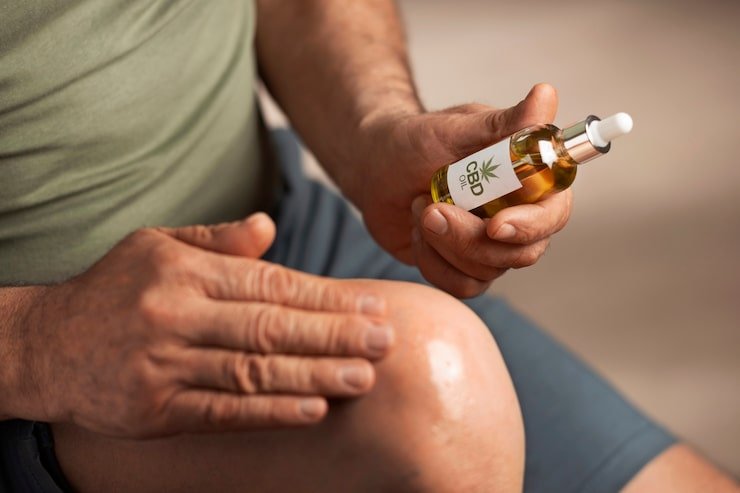


Topical Pain Relief Cream: How It Works & Benefits
When patients need effective, localized pain management, topical pain relief cream is often the first choice. Unlike oral medication, which travels through the digestive system and bloodstream, topical creams work where pain starts — at the skin, muscle, or joint level.
For healthcare professionals and wholesale distributors, selecting a clinically proven cream ensures consistent patient outcomes, repeat purchases, and trust in your product line.
What Is Topical Pain Relief Cream?
Topical pain relief cream is a medicated product applied directly to the skin over painful areas. It delivers targeted relief by reducing inflammation, numbing nerves, or distracting pain signals.
These creams are commonly recommended for:
Joint pain – arthritis, stiffness, post-activity soreness
Muscle pain – strains, sports injuries, overuse
Back pain – localized lower back discomfort
Post-surgical recovery – to minimize oral pain medication use
Because they act locally, they are ideal for patients seeking relief without systemic side effects such as stomach irritation, drowsiness, or drug interactions.
How Topical Pain Relief Cream Works
Transdermal Delivery
Modern formulations use penetration enhancers to transport active ingredients through the skin barrier into underlying tissues.
Blocking Pain Signals
Compounds like menthol create a cooling effect that distracts the nervous system, while lidocaine temporarily numbs pain receptors.
Reducing Inflammation
Anti-inflammatory agents help decrease swelling and improve mobility.
The result is faster relief compared to waiting for oral medication to circulate through the entire body.
Key Ingredients in Professional-Grade Creams
Menthol – Provides cooling sensation, increases blood flow
Lidocaine – Numbs nerves, perfect for targeted relief
Methyl Salicylate – Reduces inflammation, used for muscle/joint pain
Botanical Extracts – Natural anti-inflammatories appeal to patients seeking holistic care
Why Healthcare Professionals Recommend It
Healthcare providers value topical pain relief creams because they offer:
Precise Targeting – Apply directly to affected site
Fewer Systemic Side Effects – Ideal for patients who cannot tolerate oral NSAIDs or opioids
Easy to Integrate – Works alongside physical therapy, massage, or oral medication
High Patient Compliance – Simple to apply, mess-free options available
Why Distributors Choose Nocepta
Nocepta’s topical pain relief cream is designed with both patients and professionals in mind. For distributors, it offers:
Clinically Researched Formula – Backed by science for reliable results
Fast-Acting Performance – Visible relief in minutes
Non-Greasy, Pleasant Texture – Improves user experience
Bulk Availability – Consistent stock for clinics and pharmacies
Reputable Brand – Trusted by healthcare providers nationwide
This combination of reliability, scalability, and patient satisfaction makes Nocepta a preferred choice for wholesale partners.
Applications in Clinical and Professional Settings
Healthcare professionals frequently recommend topical creams in:
Sports Medicine Clinics – Treating acute injuries and post-game soreness
Chiropractic and Physical Therapy Centers – Pre-treatment application to enhance mobility
Pain Management Clinics – Supporting chronic pain patients with fewer systemic medications
Orthopedic Practices – Adjunct therapy after surgery or joint replacement
Educating Patients for Optimal Results
To improve outcomes, teach patients how to use the cream correctly:
Demonstrate Application – Show correct dosage and frequency
Explain Absorption – Inform them about how transdermal delivery works
Highlight Safety Precautions – Avoid contact with eyes, mouth, broken skin
Encourage Consistency – Regular use improves long-term results
Topical Creams vs. Oral Painkillers
| Feature | Topical Pain Relief Cream | Oral Painkillers |
|---|---|---|
| Delivery Method | Localized, applied to skin | Systemic, through digestion |
| Onset of Action | Fast, minutes | Slower, 30–60 mins |
| Side Effects | Minimal, local irritation only | GI upset, drowsiness, drug interactions |
| Best Use | Local muscle/joint pain | Widespread or severe pain |
This comparison is an excellent educational point for clinicians explaining why topical solutions are safer for many patients.
Market Trends & Distributor Opportunity
Demand for topical pain relief products is growing as patients and providers look for opioid-free solutions. According to market studies, the global topical analgesics market is projected to grow steadily through 2030, driven by:
Rising incidence of arthritis and musculoskeletal disorders
Increased sports participation and injury recovery demand
Greater preference for non-invasive treatment options
For distributors, this is an opportunity to meet demand with a trusted, clinically proven brand like Nocepta.
FAQs About Topical Pain Relief Cream
1. How often should patients apply it?
Most products recommend 3–4 times daily. Always follow label instructions.
2. Can it be used alongside oral medication?
Yes, in most cases. Healthcare providers should confirm there are no overlapping ingredients.
3. Are there any side effects?
Mild redness or skin irritation may occur. Recommend patch testing for sensitive patients.
4. What storage conditions are recommended?
Keep sealed and stored at room temperature, away from direct sunlight.
Conclusion & Call to Action
Topical pain relief cream is an essential tool for clinicians and a growing revenue opportunity for distributors. It provides fast, localized relief, enhances patient satisfaction, and supports safer pain management practices.
Partner with Nocepta today to stock premium topical pain relief cream for your patients and clients.
📞 Contact our wholesale team or 🛒 place your bulk order now to meet growing demand for effective, clinically backed pain relief solutions.