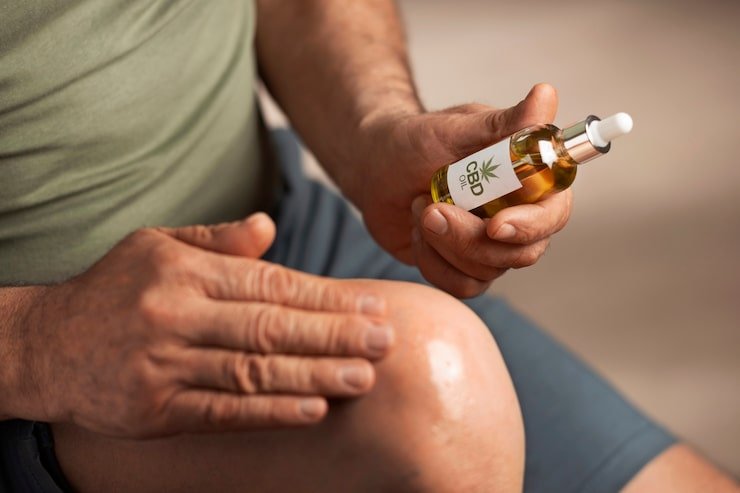
The healthcare landscape has transformed dramatically over the past few years, with medical professionals increasingly turning to innovative, non-opioid alternatives for patient comfort and mobility support. As we navigate 2025, seven breakthrough technologies are revolutionizing how doctors approach topical relief solutions, offering patients science-backed options that prioritize safety, efficacy, and quality of life.
These advances represent more than just new formulations; they embody a fundamental shift toward precision wellness, where every ingredient serves a purpose and every application delivers consistent, reliable results. At Nocepta Therapeutics, our doctor-designed Nocepta Cream (moderate strength, 200 applications) and Nocepta Gel featuring QuadraFlux™ Technology (maximum strength) reflect this approach—lab-tested, THC-free, fast-absorbing topical options trusted by healthcare professionals for localized comfort and mobility support.
1. Advanced Transdermal Delivery Systems
Traditional topical products often struggle with one critical challenge: getting active ingredients where they need to go. Advanced transdermal delivery systems have changed this paradigm entirely.

Modern transdermal technology utilizes sophisticated carrier systems that enhance penetration through the skin’s natural barriers. Unlike conventional creams that may only affect surface tissues, these systems facilitate deeper absorption, allowing active compounds to reach targeted areas more effectively.
How It Works: These delivery systems employ carefully engineered molecular structures that temporarily modify skin permeability, creating pathways for active compounds to penetrate more efficiently. The result is enhanced bioavailability and more consistent results across different skin types and conditions.
Healthcare providers appreciate this technology because it offers predictable outcomes—something essential when developing treatment protocols for patients seeking reliable comfort and mobility support.
2. Cannabinoid-Based Multi-Compound Formulations
The evolution of cannabinoid science has led to sophisticated formulations that go far beyond single-compound approaches. Today’s most advanced topical products incorporate multiple cannabinoids working in synergy.
The Science Behind Synergy: Modern formulations combine CBD (cannabidiol), CBG (cannabigerol), and CBN (cannabinol) in precisely calibrated ratios. Each compound interacts with the body’s endocannabinoid system differently, creating what researchers call the “entourage effect”: where combined compounds may be more effective than individual ones.
Clinical-grade formulations ensure zero detectable THC levels, providing healthcare providers and patients with confidence in both safety and regulatory compliance. This allows for professional recommendation without concerns about psychoactive effects or workplace testing issues.
3. Multi-Modal Ingredient Synergy
Rather than relying on single active compounds, breakthrough formulations now employ multi-modal approaches that address discomfort through multiple pathways simultaneously.

Key Synergistic Combinations:
- MSM (Methylsulfonylmethane): Supports tissue health and comfort
- Menthol: Provides cooling sensation and may influence nerve signal transmission
- Arnica: Traditional botanical known for its historical use in comfort applications
This approach recognizes that discomfort often involves multiple biological pathways. By addressing several mechanisms simultaneously, multi-modal formulations can provide more comprehensive support for patient comfort and mobility.
Healthcare professionals find this particularly valuable because it allows them to address complex patient needs with a single, well-formulated product rather than recommending multiple separate treatments.
4. Nanotechnology for Enhanced Absorption
Nanotechnology represents one of the most significant advances in topical formulation science. By reducing active ingredients to nano-scale particles, formulators can dramatically improve how compounds interact with skin tissue.
The Nano Advantage: Nano-sized particles can navigate through skin layers more efficiently than traditional molecular sizes. This enhanced penetration translates to improved absorption rates and potentially more effective delivery of active compounds to target areas.
Modern nano-formulations also tend to feel lighter on the skin while providing longer-lasting effects. Patients appreciate the non-greasy feel and quick absorption, while healthcare providers value the consistent performance characteristics.
This technology is particularly important for professional-grade products where consistency and reliability are paramount in clinical settings.
5. pH-Balanced Precision Formulations
The importance of pH balance in topical formulations cannot be overstated. Human skin naturally maintains a slightly acidic pH (around 4.5-5.5), and products that work in harmony with this natural state tend to be more effective and better tolerated.

Why pH Matters: Properly pH-balanced formulations:
- Maintain skin barrier function
- Optimize active ingredient stability
- Reduce potential for irritation
- Enhance overall absorption efficiency
Advanced formulations now incorporate buffer systems that maintain optimal pH throughout the product’s shelf life, ensuring consistent performance from first use to last application.
Healthcare providers particularly value pH-balanced products because they can recommend them confidently to patients with sensitive skin or those using multiple topical treatments simultaneously.
6. Combination Comfort-Support Compounds
Modern topical formulations strategically combine multiple comfort-supporting compounds to address discomfort through complementary pathways. This approach moves beyond traditional single-ingredient solutions toward sophisticated combination therapies.
Synergistic Multi-Pathway Approach: Advanced formulations combine natural comfort-supporting compounds with complementary mechanisms of action. This multi-pathway approach may provide more comprehensive support for tissue comfort than single-ingredient alternatives.
The key lies in precise formulation: ensuring that combined ingredients work together harmoniously rather than competing or interfering with each other’s actions. Professional-grade products undergo extensive compatibility testing to verify that all components maintain their individual properties while contributing to overall formulation effectiveness.
7. Third-Party Testing and Quality Assurance Technologies
Perhaps the most critical breakthrough isn’t in active ingredients but in quality assurance. Advanced testing technologies now enable unprecedented levels of product verification and consistency.

Comprehensive Testing Protocols Include:
- Potency verification for all active compounds
- Purity testing for contaminants and residual solvents
- Microbiological safety testing
- Heavy metals screening
- Pesticide residue analysis
Certificates of Analysis (COAs) provide healthcare professionals with detailed documentation of every batch’s composition and purity. This transparency allows for informed clinical decision-making and builds trust between providers, patients, and manufacturers.
Modern quality assurance extends beyond testing to include:
- Controlled manufacturing environments
- Batch tracking systems
- Stability testing for shelf-life verification
- Consistent sourcing protocols
The Made in USA Advantage
These breakthrough technologies are particularly prominent in USA-manufactured products, where stringent manufacturing standards and regulatory oversight ensure consistent quality and safety. American facilities often employ the most advanced formulation and testing technologies, providing healthcare providers with confidence in product reliability.
Domestic manufacturing also ensures supply chain integrity and traceability—critical factors when healthcare providers need consistent access to reliable products for their patients.
Clinical Integration and Best Practices
Healthcare providers implementing these advanced topical technologies should consider several best practices:
Patient Assessment: Evaluate individual patient needs, skin sensitivity, and concurrent treatments before making recommendations.
Application Guidance: Provide clear instructions on proper application techniques to maximize effectiveness.
Monitoring: Follow up with patients to assess response and adjust recommendations as needed.
Documentation: Maintain records of patient responses to inform future treatment decisions.
Looking Forward: The Future of Topical Relief
These seven breakthrough technologies represent just the beginning of what’s possible in non-opioid topical relief. As science continues advancing, we can expect even more sophisticated approaches to emerge: each building on the foundation of safety, efficacy, and patient-centered care that defines modern healthcare.
The convergence of advanced delivery systems, precise formulation science, and rigorous quality assurance creates unprecedented opportunities for healthcare providers to offer patients effective, reliable, and safe alternatives to traditional approaches.
For healthcare professionals seeking to integrate these advanced technologies into their practice, the key lies in partnering with manufacturers who prioritize science, transparency, and clinical-grade quality standards. The future of patient comfort and mobility support depends not just on innovative compounds, but on the rigorous science and manufacturing excellence that brings these innovations to life.
Explore the power of science-backed, non-opioid topical solutions from Nocepta—doctor-designed, lab-tested, and built for professional use—to put patient safety, comfort, and mobility at the center of every formulation.