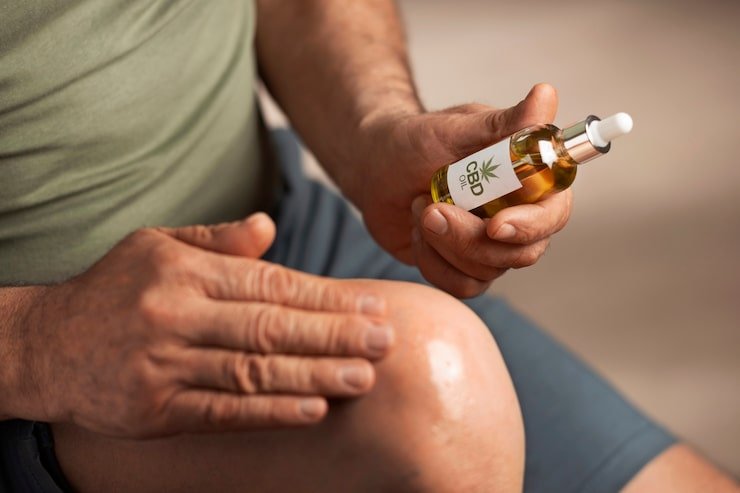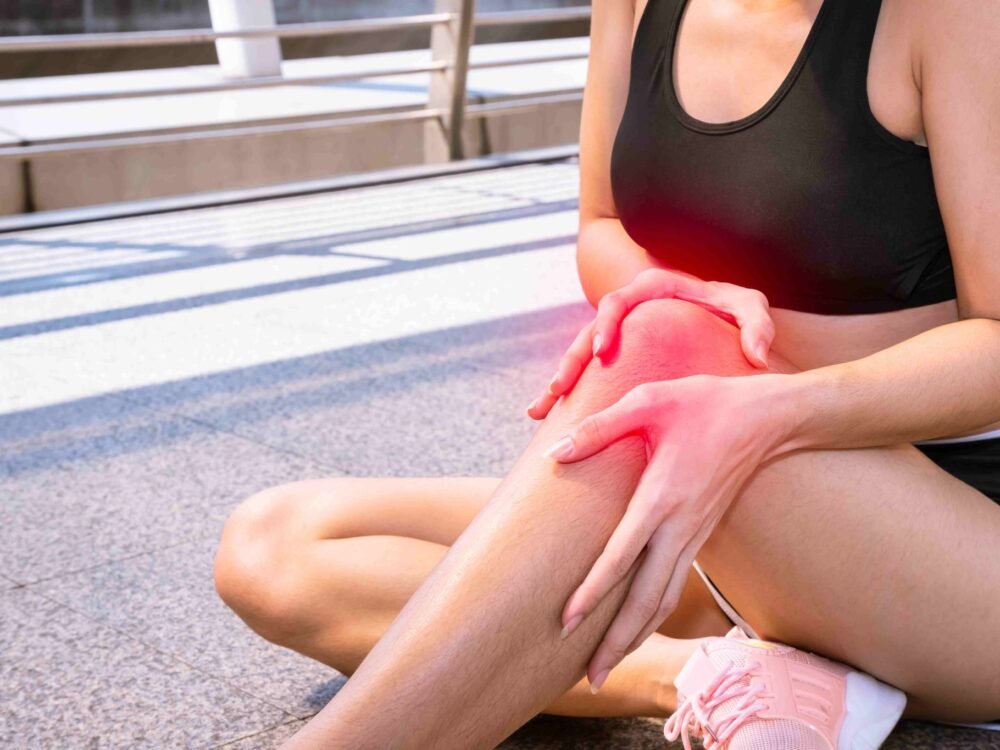

For the dedicated athlete, an injury is more than just pain—it’s a disruption to training rhythm, competitive goals, and the very identity tied to movement. The recovery journey demands a strategic arsenal, and increasingly, that arsenal includes a sophisticated category of sports injury recovery topical gels and creams. Moving far beyond simple muscle rubs, these advanced formulations represent a targeted, scientific approach to managing pain and inflammation right at the source.
This guide delves into the physiology of common sports injuries and how modern topical therapies fit into a comprehensive recovery protocol. We’ll cut through marketing noise to examine the actual mechanisms—how ingredients penetrate tissue, influence inflammation, and support repair—all while respecting the athlete’s need for safe, effective solutions that don’t compromise performance. Whether you’re managing an acute ankle sprain or the chronic soreness of overuse, understanding the proper role of a doctor recommended sports recovery gel can be a game-changer in your return to peak form.
Understanding Sports Injury Types: The Foundation of Targeted Treatment
Effective treatment begins with precise diagnosis. In sports medicine, injuries are categorized by the tissue affected and the mechanism of damage. A sprain is a stretch or tear of a ligament, the fibrous tissue connecting bones at a joint. A strain involves damage to a muscle or tendon, the tissue connecting muscle to bone. Contusions (bruises) result from direct impact, causing bleeding under the skin.
Understanding this distinction is crucial because a sprain strain recovery cream may have different optimal ingredients for ligamentous versus muscular tissue. Furthermore, injuries are classified as acute (sudden, like an ankle roll) or overuse (gradual, like tendinitis). Acute injuries follow a predictable inflammatory timeline: an initial inflammatory phase (0-72 hours), a proliferative repair phase (3 days to 6 weeks), and a remodeling phase (up to a year). Topical interventions are most impactful when timed correctly within these phases.
How Topicals Work for Athletes: Precision Medicine at the Site of Injury
The fundamental advantage of a sports injury recovery topical gel lies in its delivery method: transdermal absorption. Unlike oral pain relievers (NSAIDs) that circulate systemically, affecting the entire body including the stomach, liver, and kidneys, topicals deliver active ingredients directly to the injured tissue. This creates a high local concentration of therapeutic compounds with minimal systemic absorption, reducing the risk of side effects.
This transdermal pain relief for athletes is particularly valuable for addressing localized inflammation and pain without dulling systemic nervous system responses or hindering the body’s natural healing signals. Advanced formulations use penetration enhancers and nanoparticle technology to ensure ingredients reach deeper muscle layers and connective tissue, making them effective for both surface-level contusions and deeper joint injury or muscle strains.
Key Recovery Ingredient Science: The Biochemical Toolkit
Not all topicals are created equal. Athlete-grade formulations rely on ingredients with robust scientific backing for their mechanisms. Key categories include:
Anti-inflammatory Compounds: Ingredients like arnica, CBD (cannabidiol), and boswellia work to modulate the body’s inflammatory cytokines. A cannabinoid topical for muscle pain, for instance, interacts with local endocannabinoid receptors to “turn down” inflammatory signaling, reducing swelling and the pain associated with it, without the psychoactive effects of THC.
Analgesic (Pain-Relieving) Agents: Menthol and camphor provide a cooling sensation that distracts nerve pathways from pain signals (counter-irritation). Other compounds may temporarily desensitize peripheral pain receptors. The goal is pain relief for athletes that allows for therapeutic movement and rehab, not total numbness that could lead to re-injury.
Tissue Repair Support: Ingredients like helichrysum and certain peptides may support circulation and cellular regeneration in the repair phase. A true professional athlete pain relief cream often combines these categories for a synergistic effect: reducing inflammation, managing pain, and creating an optimal biochemical environment for healing.
Timing & Application Protocols: Maximizing the Therapeutic Window
When and how you apply a topical is as important as what’s in it. For acute injuries, the RICE protocol (Rest, Ice, Compression, Elevation) still rules the first 24-48 hours. However, after the initial acute phase, a fast acting sports injury gel with anti-inflammatory properties can be applied gently around (not directly on) swollen areas to support inflammation reduction.
During the repair phase, application can become more targeted and frequent. Gentle massage with a muscle soreness relief gel can improve local blood flow, promote lymphatic drainage, and reduce stiffness. Post workout, topicals can be used proactively for muscle recovery to manage minor inflammation from micro-tears before it accumulates.
The protocol should never stand alone. Topicals are most effective when combined with other recovery modalities like proper nutrition, hydration, progressive loading in physical therapy, and sleep.
Performance & Safety Considerations: Competing Clean and Smart
For competitive athletes, safety extends beyond skin deep. It is imperative to choose products that are transparent about being free from banned substances. The World Anti-Doping Agency (WADA) prohibits many systemic substances but has specific rules about topical applications; however, contamination risk is real. Always opt for a clinic grade sports injury topical that provides third-party Certificates of Analysis (COAs) to verify purity.
Consider competition timing. While topicals have minimal systemic absorption, some organizations may have rules about application immediately before competition. For daily training, skin sensitivity is a factor; performing a patch test and rotating application sites can prevent irritation from frequent use.
Selecting Athlete-Grade Products: Cutting Through the Clutter
The market is flooded with options. Key quality indicators for a true athlete-grade product include:
Ingredient Transparency: Full disclosure of all ingredients and their concentrations. Avoid “proprietary blends” that hide amounts.
Third-Party Testing: Independent lab verification for purity (free from heavy metals, solvents, THC) and potency.
Evidence-Based Formulation: Ingredients should be included at clinically studied effective doses, not just homeopathic traces.
Appropriate Delivery System: Gels often penetrate faster than thick creams; the vehicle should match the need for quick absorption in an active lifestyle.
The difference between a professional vs. consumer product often lies in these verification steps and the sophistication of the ingredient synergy, not just marketing claims.
COMPREHENSIVE FAQs
Q: Can I use a topical gel for a fresh, swollen ankle sprain?
A: In the first 24-48 hours, prioritize ice and compression. After the initial acute swelling peaks, a topical pain relief for joint injury with anti-inflammatory ingredients can be applied around the ankle (avoiding broken skin) to support reduction of residual inflammation and pain during the repair phase.
Q: Are hemp/CBD topicals safe for competitive athletes?
A: Hemp pain relief gel for athletes that uses broad-spectrum or isolate CBD (with verified 0.0% THC) is generally considered low-risk, as WADA has removed CBD from its prohibited list. However, athletes must ensure their product has a COA confirming no THC contamination, which is still banned.
Q: What’s better for muscle soreness: a cream or a gel?
A: For post workout muscle recovery gel, a fast-absorbing aqueous gel is often preferred. It delivers ingredients quickly without a heavy residue, allowing you to dress or continue with cooldown activities. Creams may be better for longer-lasting, localized moisture and massage on specific tight areas.
Q: How often can I safely apply a pain relief topical?
A: Follow the product’s specific guidelines, typically 3-4 times daily. The key is consistency through the recovery phase rather than single massive applications. For chronic management, discuss long-term use with a sports medicine professional.
Q: Do these topicals actually “heal” the injury faster?
A: They don’t directly heal tissue, but they optimally support the body’s own healing processes. By effectively managing pain and inflammation, they can allow for earlier and more comfortable engagement in prescribed rehabilitation, which is what truly accelerates functional recovery.
SCIENTIFIC RECOVERY ADVANCEMENT
Sports recovery has evolved from mere rest to a dynamic science of targeted intervention. Modern sports injury recovery topical gels represent this shift, offering precision tools for the informed athlete. By understanding the science of transdermal delivery and proper protocol, you can integrate these solutions strategically into your training regimen.
Ready to explore professional-grade topical solutions tailored for athletic demands? Discover Nocepta’s scientifically formulated recovery topicals, developed with purity, potency, and athletic performance in mind.