
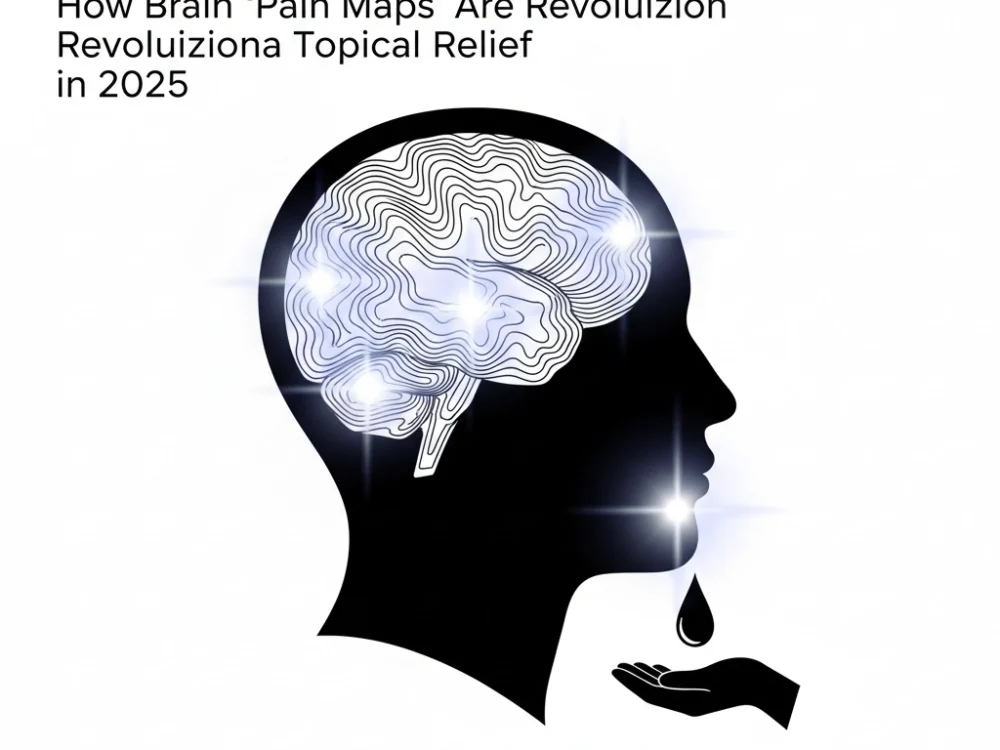
The landscape of pain management is undergoing a fundamental transformation in 2025, driven by groundbreaking neuroscience research that’s reshaping how we understand the brain’s intricate pain processing systems. Recent discoveries have unveiled sophisticated “pain maps” within the human brain: detailed neural blueprints that reveal how our central nervous system manages discomfort with remarkable spatial precision.
This breakthrough research, published in Science by the University of Sydney team, represents more than just academic advancement. It’s opening new pathways for targeted, non-opioid pain management solutions that could revolutionize how clinicians approach localized discomfort relief, particularly through advanced transdermal delivery systems.
Decoding the Brain’s Pain Management Blueprint
For decades, pain researchers operated under the assumption that the brain’s pain control mechanisms functioned as a uniform system: essentially treating all bodily discomfort through the same neural pathways. This August 2025 discovery has completely overturned that understanding.
Using cutting-edge 7-Tesla functional magnetic resonance imaging (fMRI): one of only two such advanced scanners available in Australia: researchers mapped the brainstem’s pain control network with unprecedented detail. Dr. Lewis Crawford, the study’s lead author, explained that “this is the first time we’ve seen such a precise and detailed pain map in the human brainstem, showing us that it tailors pain relief to the specific part of the body that’s experiencing it.”
The research involved 93 healthy participants who underwent controlled pain stimulation on different body regions while receiving placebo topical treatments. This methodology allowed scientists to observe how the brain’s expectation of localized relief corresponded with specific neural activation patterns.
The Brainstem’s Sophisticated Architecture
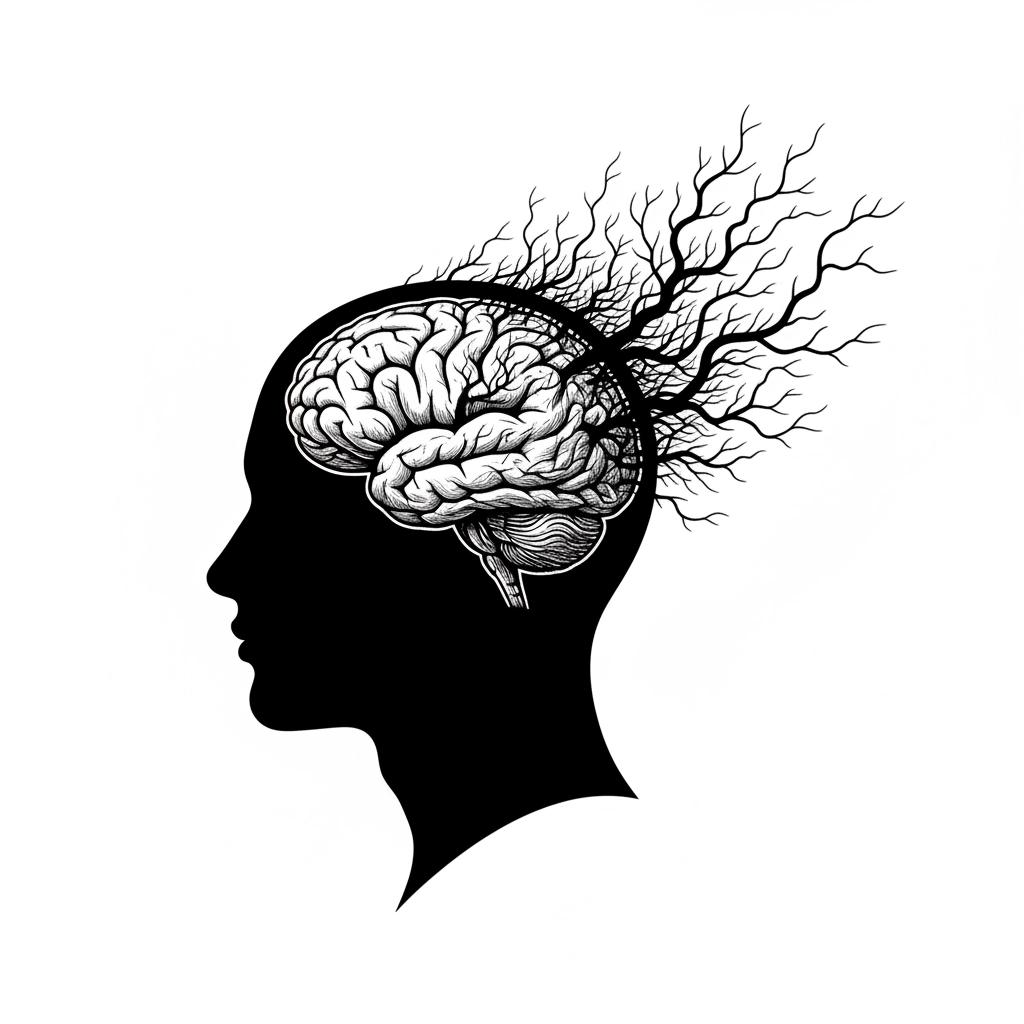
Two critical brainstem regions emerged as the central command centers for this spatially organized pain management system: the periaqueductal grey (PAG) and the rostral ventromedial medulla (RVM). These structures, located in the neural highway connecting the brain to the spinal cord, demonstrate remarkable anatomical precision in their pain processing capabilities.
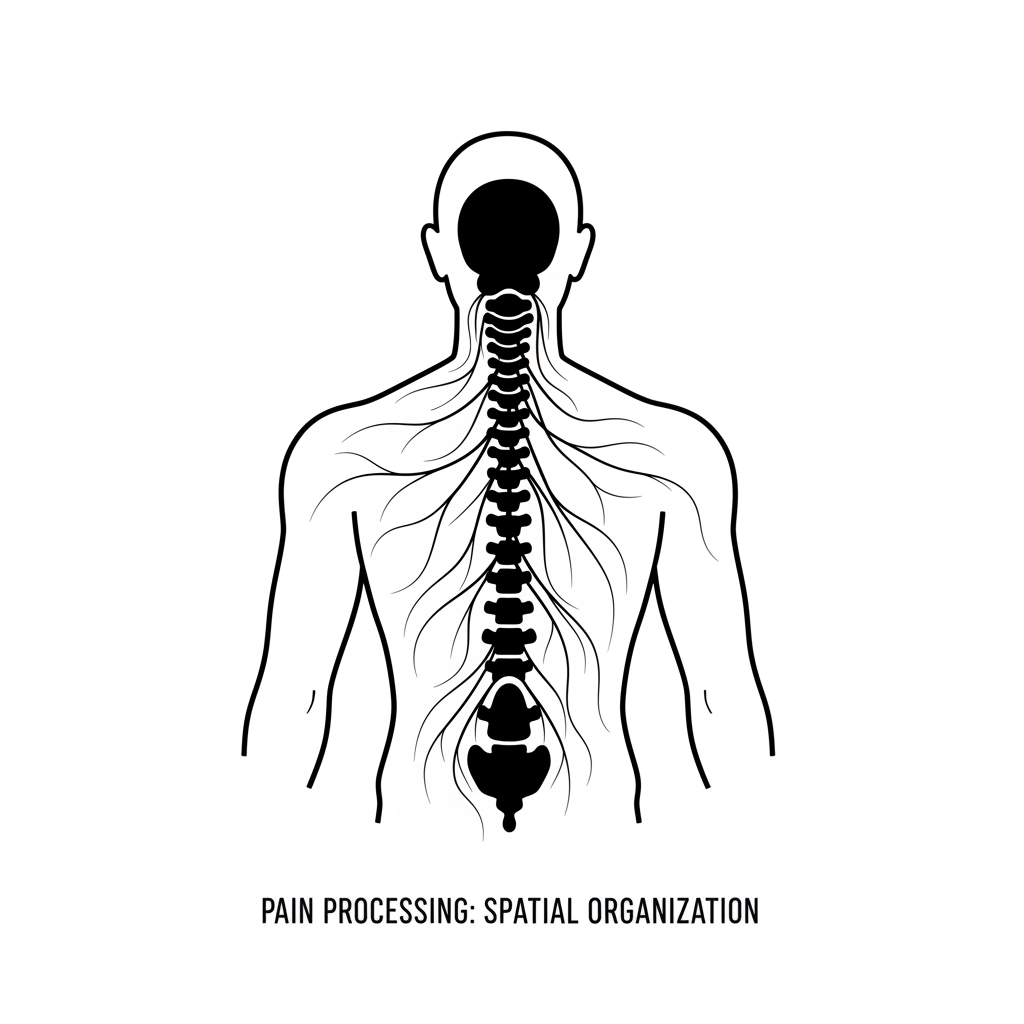
The spatial organization is striking in its specificity. Upper sections of both the PAG and RVM activate when managing facial pain, while lower sections engage for limb-related discomfort. This anatomical segregation challenges previous models that suggested uniform pain processing throughout the central nervous system.
Professor Luke Henderson, the study’s senior author, emphasized the clinical significance: “We now have a blueprint for how the brain controls pain in a spatially organised way. This could help us design more effective and personalised treatments, especially for people with chronic pain in a specific area of their body.”
Revolutionary Implications for Transdermal Therapies
This research breakthrough has profound implications for how we approach topical and transdermal pain management solutions. The discovery that the brain processes pain with spatial specificity validates the scientific foundation behind targeted topical applications: demonstrating why localized treatments can be so effective when applied to specific body regions.
The study revealed something particularly intriguing about the mechanisms underlying localized pain relief. Rather than activating the brain’s opioid pathways, which typically produce whole-body effects, the researchers identified a different neural circuit operating through the lateral PAG. This pathway appears to function through cannabinoid activity, offering a more targeted approach to pain modulation.
Dr. Crawford noted that “opioid-based pain relief typically activates central areas of the brain and can affect the whole body, whereas the cannabinoid circuit that we identified appears to operate in more targeted regions of the brainstem.” This distinction is crucial for developing precision pain management strategies that work exactly where the brain expects relief to occur.
The Science Behind Targeted Relief
Understanding these brain maps provides scientific validation for advanced transdermal delivery systems that can precisely target specific body regions. Modern nanoemulsified topical formulations, for instance, can leverage this research to optimize their delivery mechanisms for maximum efficacy.
The brain’s spatial pain processing system explains why topical applications often provide superior localized relief compared to systemic medications. When a topical treatment is applied to a specific area, the brain’s pain map can engage the appropriate neural circuits for that precise location, optimizing the therapeutic response.
This research also illuminates why transdermal delivery systems that can penetrate the skin barrier effectively often produce such targeted results. The brain’s expectation of localized relief, combined with the actual physiological effects of active compounds reaching the affected tissues, creates a synergistic therapeutic response.
Clinical Applications and Professional Practice
Healthcare professionals are already beginning to integrate these insights into their pain management protocols. The research suggests that clinicians should consider the specific body region when selecting topical interventions, tailoring their approach to align with the brain’s natural pain processing architecture.
For physical therapists, chiropractors, and other movement specialists, this research validates the importance of precise application techniques. Understanding that the brain processes facial pain differently from limb discomfort can inform more targeted treatment strategies.
The cannabinoid circuit discovery also has significant implications for non-opioid topical solutions. Rather than relying on systemic opioid pathways that affect the entire body, targeted topical treatments can potentially engage these localized cannabinoid circuits for more precise pain modulation.
Advancing Transdermal Technology
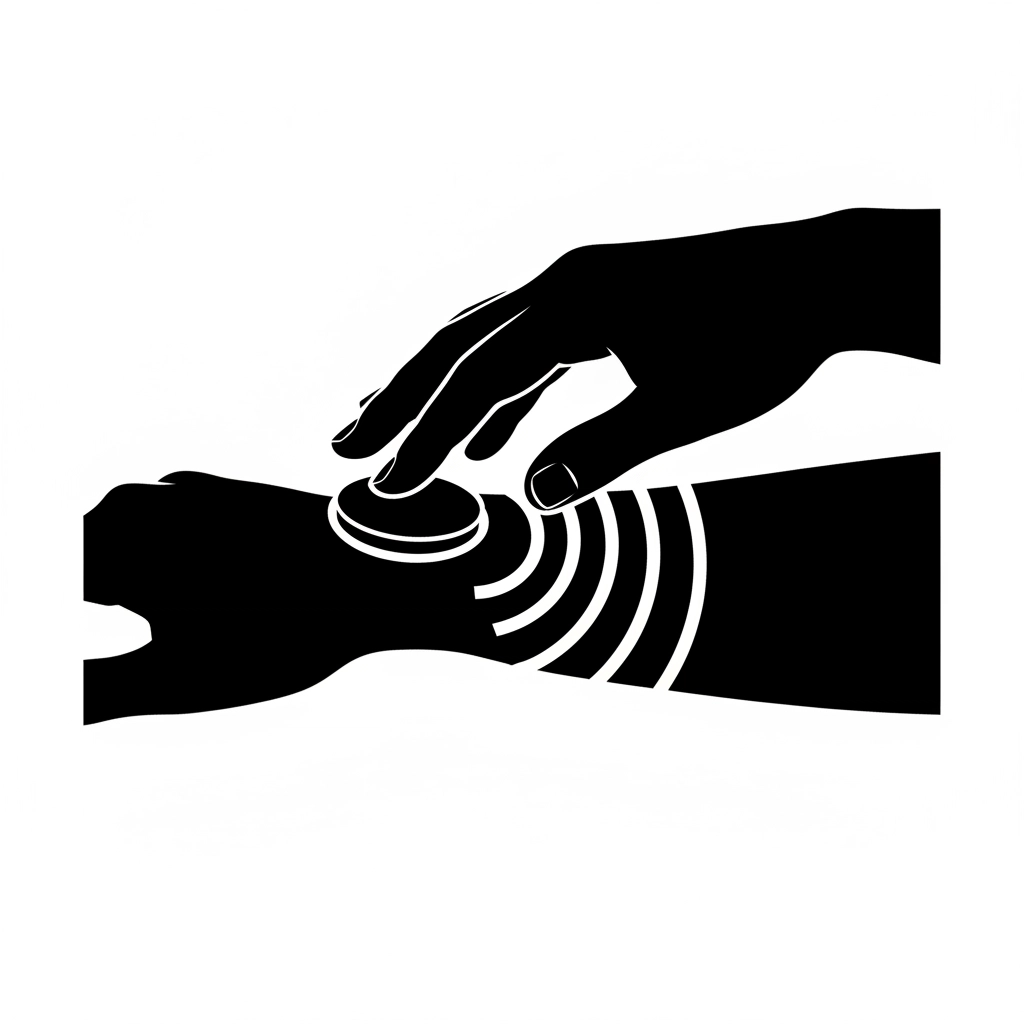
The pain map research is accelerating innovation in transdermal delivery technology. Understanding how the brain expects localized relief has informed the development of more sophisticated delivery systems that can optimize both the physical penetration of active compounds and the neurological response to their presence.
Modern transdermal formulations are increasingly incorporating this spatial understanding into their design. By ensuring that active ingredients reach the target tissues in sufficient concentrations, these systems can effectively engage the brain’s localized pain processing circuits.
This scientific foundation supports the development of advanced topical formulations that work in harmony with the brain’s natural pain management architecture, rather than simply overwhelming it with systemic interventions.
Future Directions in Pain Management
The implications of this research extend far beyond current applications. Scientists are already exploring how these pain maps might inform the development of next-generation topical treatments that can more precisely target specific neural circuits.
Complementary research efforts are investigating drug candidates that can target specific neurons in the brain to reduce the emotional component of pain while preserving sensory awareness. This approach would allow patients to maintain protective sensation while eliminating the suffering aspect of chronic pain.
The convergence of these discoveries represents a fundamental paradigm shift: moving from broad-spectrum pain management toward precision therapies that leverage the brain’s sophisticated spatial processing capabilities.
Practical Implications for Patients and Providers
For patients dealing with localized chronic pain, this research offers hope for more effective, targeted treatments with fewer systemic side effects. The spatial specificity of brain pain processing suggests that well-designed topical interventions can provide significant relief while minimizing unwanted effects on other body systems.
Healthcare providers can use this knowledge to optimize their treatment recommendations, considering not just the type of pain but its specific location when selecting topical interventions. This personalized approach aligns with the brain’s natural processing patterns, potentially improving therapeutic outcomes.
The research also validates the importance of patient education about proper application techniques. Understanding that the brain processes pain spatially can help patients appreciate why precise, consistent application of topical treatments is crucial for optimal results.
The Science-Driven Future
This breakthrough pain map research represents just the beginning of a new era in pain management. As our understanding of the brain’s spatial pain processing continues to evolve, we can expect even more sophisticated approaches to targeted relief.
The integration of neuroscience insights with advanced transdermal delivery technology promises to deliver more effective, personalized pain management solutions. Rather than relying on one-size-fits-all approaches, future treatments will be designed to work in harmony with the brain’s intricate pain processing architecture.
For healthcare professionals committed to providing science-backed care, these discoveries offer a roadmap for more precise, effective interventions. The future of pain management lies not in simply masking symptoms, but in understanding and working with the brain’s sophisticated pain control systems to provide targeted, lasting relief.
This neurological revolution in pain management represents the convergence of cutting-edge brain research with practical therapeutic applications: transforming how we understand, approach, and treat localized discomfort in ways that honor both scientific precision and human experience.