Neuropathic pain is a distinct and often debilitating category of discomfort that conventional painkillers frequently fail to address. Unlike nociceptive pain—which arises from tissue damage like a sprain or cut—nerve pain originates from damage or dysfunction within the nervous system itself. This results in sensations described as burning, shooting, tingling, or numbness, which can feel disproportionate and unrelenting.
For millions living with diabetic neuropathy, sciatica, or post-surgical nerve damage, this type of pain requires a different strategic approach. Oral medications often come with systemic side effects and may not sufficiently target the localized nerve irritation. This is where modern neuropathic pain relief strategies, particularly advanced topical formulations, are changing the landscape.
This guide delves into the science behind nerve pain and explores how innovative creams and gels offer a targeted, effective pathway to managing discomfort. We’ll examine how these solutions work at the source, the key ingredients backed by science, and what you can realistically expect from this modern approach to nerve pain management.
Understanding Neuropathic Pain: A Misfiring Nervous System
To grasp why neuropathic pain is so challenging, you must understand its origin. It’s not about a current injury; it’s about faulty signaling. Damaged or dysfunctional nerves begin sending incorrect, amplified pain signals to the brain, even in the absence of an ongoing threat. Think of it as a damaged electrical wire short-circuiting and sparking on its own.
Common conditions leading to this include diabetic neuropathy (nerve damage from high blood sugar), sciatica (nerve root compression), postherpetic neuralgia (after shingles), and chemotherapy-induced peripheral neuropathy. The hallmark sensations—burning, “pins and needles,” electric shocks, or hypersensitivity to touch—are direct results of this neurological malfunction.
This “misfiring” explains why traditional pain relievers like NSAIDs (ibuprofen, naproxen) are often ineffective. They primarily target inflammation in tissues, not the hyper-excited state of the nerves themselves. Effective nerve pain causes and treatment must therefore focus on calming this neurological overactivity, which is the core goal of modern topical neuromodulators.
Oral Medication Limitations: Systemic Challenges and Incomplete Relief
Oral medications for nerve pain, such as certain antidepressants or anti-seizure drugs, can be helpful but come with significant trade-offs. Because they are ingested and distributed throughout the bloodstream (systemically), they affect the entire body, including the brain. This frequently leads to side effects like drowsiness, dizziness, weight gain, and cognitive fog, which can severely impact daily life.
Furthermore, systemic delivery is inefficient for localized pain. Only a fraction of the oral dose reaches the specific area of nerve irritation. This often results in incomplete burning nerve pain solutions, where you may experience side effects without achieving sufficient pain coverage. The need for a more targeted approach that minimizes systemic exposure while maximizing local effect is precisely what drives the innovation behind topical nerve pain relief.
Topical Treatment Mechanisms: Precision Delivery to the Source
Advanced topical creams and gels for neuropathy represent a paradigm shift: they bring the treatment directly to the site of pain. Modern transdermal pain relief for neuropathy relies on sophisticated formulations designed to penetrate the skin’s barrier and reach the underlying nerve endings and tissues. This localized delivery is key to their mechanism.
Unlike oral medications, a high-quality topical acts right where the malfunctioning nerves are located, providing concentrated relief with minimal absorption into the bloodstream. This targeted approach means the active ingredients work directly on the peripheral nerves that are generating pain signals, helping to calm overactivity without widespread systemic effects.
Recent advancements in transdermal technology, including penetration enhancers and liposomal delivery systems, have significantly improved the ability of key compounds to reach deeper tissues. This makes modern topicals a far more effective tool for conditions like foot neuropathy relief, where the nerves are close to the skin’s surface, allowing for direct and efficient intervention.
Key Ingredient Science: Calming Nerves at the Molecular Level
The efficacy of a topical treatment hinges on its active ingredients and their specific actions on nerve pathways. Scientifically-backed compounds work through several synergistic mechanisms to provide tingling and numbness relief.
Cannabinoids (CBD, CBG, CBN): These plant-derived compounds interact with the body’s endocannabinoid system (ECS), which plays a crucial role in regulating pain perception and inflammation. When applied topically, they can help “turn down” pain signals at the local level, offering targeted cannabinoid nerve pain relief without psychoactive effects.
Anti-Inflammatory Agents: Chronic nerve irritation is often accompanied by localized inflammation that exacerbates pain. Ingredients like menthol (which provides a cooling sensation to distract from pain), arnica, and specific herbal extracts work to reduce this inflammatory cascade, creating a less hostile environment for the nerves to heal and function normally.
The most effective formulations use synergistic ingredient combinations. For example, combining a cannabinoid to modulate nerve signaling with menthol for counter-irritation and a nourishing emollient for skin health creates a multi-targeted approach. This sophisticated synergy is what separates a basic moisturizer from a doctor recommended nerve pain cream designed for complex neuropathic conditions.
Application & Effectiveness: Realistic Expectations for Relief
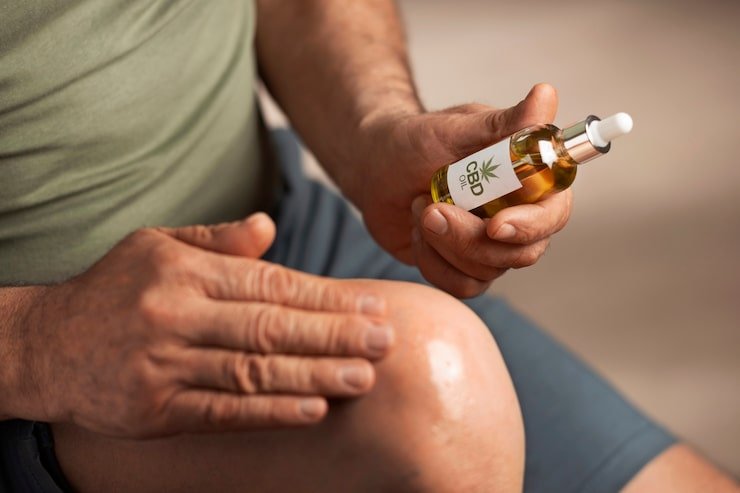
For optimal results, proper application is crucial. Apply the cream or gel to clean, dry skin in the affected area (e.g., the feet for diabetic neuropathy). Use a generous but controlled amount and massage it in gently until fully absorbed. This massage action can also improve local circulation and enhance penetration.
Unlike oral medications that must build up in your system, topical effects are often felt more quickly at the site. You may experience initial cooling or warming sensations, followed by a gradual reduction in burning nerve pain. Consistency is key; regular application as directed helps maintain a steady level of active ingredients at the nerve site, providing more sustained relief over time.
Topical treatments are most effective when integrated into a broader nerve pain management tips strategy. This can include maintaining healthy blood sugar levels for diabetics, gentle exercise to improve circulation, and stress reduction techniques. Think of a premium topical as a powerful, targeted tool within your comprehensive pain management toolkit.
Safety & Considerations: Smart and Informed Use
One of the primary advantages of topical neuropathic pain relief is its favorable safety profile. With minimal systemic absorption, the risk of drug interactions or widespread side effects is significantly lower than with oral medications. This makes them a particularly appealing option for individuals already managing multiple prescriptions.
However, considerations remain. Those with sensitive skin or conditions like diabetes should perform a patch test first, as skin integrity is vital. Always check with your healthcare provider regarding potential interactions with other medications, especially if you are using other topical products on the same area. For those seeking diabetic nerve pain treatment, ensuring the formula is free from harsh irritants and alcohol is essential.
The importance of product quality cannot be overstated. The market is saturated with options, but efficacy and safety depend on purity, concentration, and manufacturing standards. Opt for a professional neuropathy cream from a reputable brand that provides third-party lab certificates of analysis (COAs), guaranteeing you get what the label promises without contaminants.
COMPREHENSIVE FAQ SECTION
Q: How are topical creams for neuropathy different from over-the-counter pain creams?
A: OTC creams like those containing capsaicin work mainly on surface-level pain receptors. Advanced topical nerve pain relief formulations are designed with specific neuromodulating ingredients (like cannabinoids) and enhanced penetration technology to target the deeper nerve dysfunction causing neuropathic symptoms.
Q: Can I use this alongside my prescription oral nerve pain medication?
A: Generally, yes, due to minimal systemic interaction. However, you should always consult your prescribing physician before combining any new treatment to ensure it’s appropriate for your specific health profile.
Q: How long does it take to feel results?
A: Some soothing sensations may be immediate. However, meaningful tingling and numbness relief from addressing nerve hyperexcitability typically builds with consistent use over days to weeks, as the ingredients work to modulate nerve activity.
Q: Is a hemp topical for nerve pain legal and will it make me feel “high”?
A: Yes, hemp-derived topicals containing broad-spectrum or isolate CBD are federally legal. They contain negligible THC (the psychoactive compound), so they provide hemp topical for nerve pain relief without any intoxicating effects.
Q: What are the best creams for neuropathy I should look for?
A: Look for best creams for neuropathy that specify their active ingredient concentrations, use third-party testing, and are formulated for sensitive skin. Key ingredients to seek include CBD/CBG, menthol, and other botanicals known for calming nerve irritation.
Q: Are there natural ways to support nerve health alongside using a cream?
A: Absolutely. Exploring how to relieve nerve pain naturally includes maintaining optimal nutrient levels (like B vitamins), managing blood sugar, engaging in gentle exercise, and reducing inflammatory foods in your diet to support overall nerve function.
SCIENCE-BACKED HOPE & CTA
The landscape of neuropathic pain relief is evolving, moving beyond merely masking symptoms to offering targeted, scientifically-informed solutions that address the root cause of nerve discomfort. Advanced topical formulations represent a significant leap forward, providing effective, localized relief with a strong safety profile. You don’t have to accept nerve pain as an unmanageable constant.
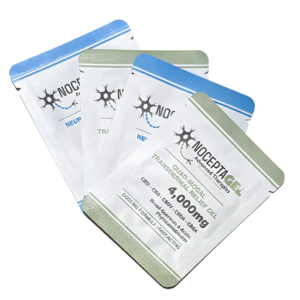
Ready to experience the difference of a scientifically-formulated topical? Explore Nocepta’s professional-grade neuropathic pain relief creams, developed with precision to deliver targeted comfort where you need it most.